AI in Construction: Interest Is High. Adoption Is Uneven.
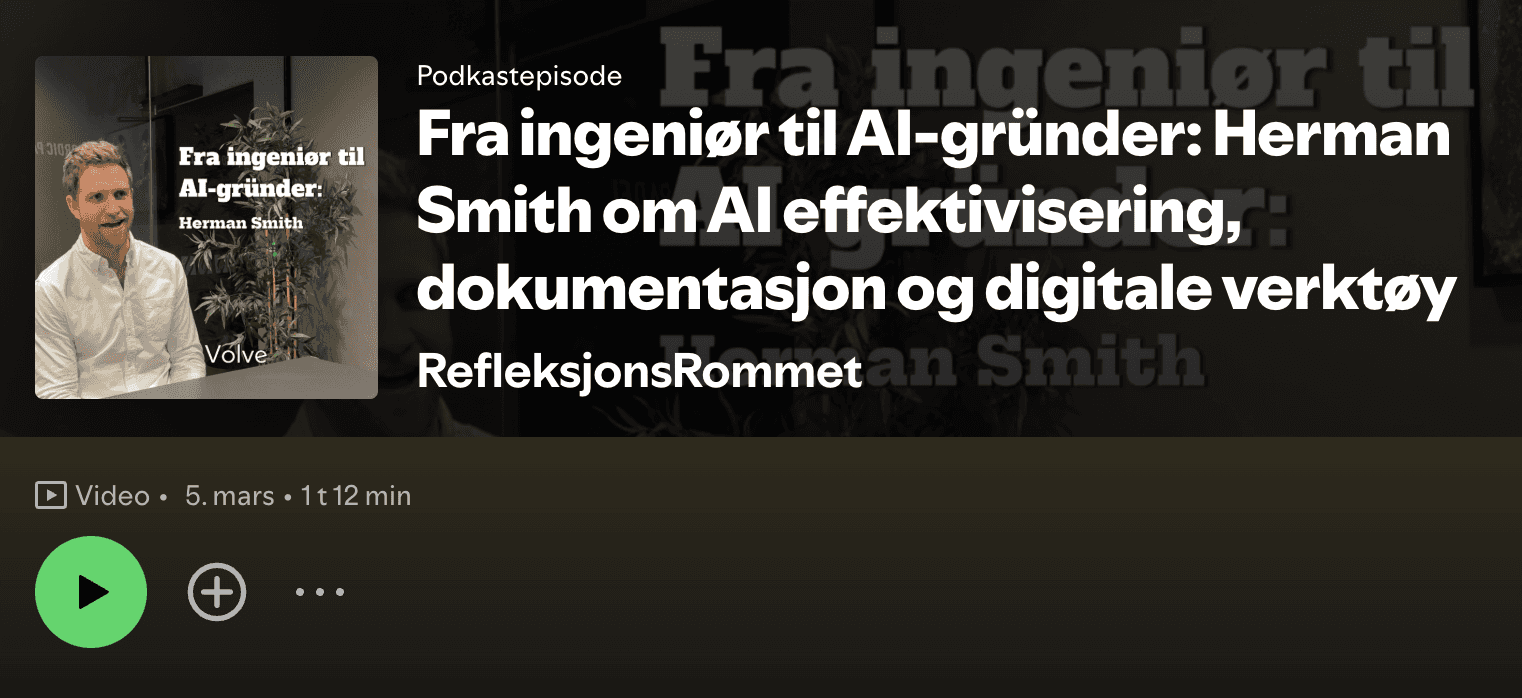
AI adoption in construction is rising, but results depend on workflow fit, document governance and traceable outputs. From pilots to outcomes.
Herman B. Smith
CEO & Co-Founder
AI has become a board topic in construction almost overnight. Most contractors and developers are curious. Many are running pilots. Some teams are already using ChatGPT day to day. Yet across the industry, adoption is still uneven, and outcomes are often modest compared to expectations.
That is not because construction “doesn’t get tech”. AI is simply a different kind of change: the value comes from changing how decisions are made under time pressure, using information that already exists in the project documents.
Interest is real. Clarity is the bottleneck.
The interest is easy to explain. Construction is document-heavy, time-pressured, and exposed to risk through scope gaps, interfaces, and contractual obligations. Everyone has felt the cost of missing a clause, misreading a requirement, or discovering a constraint too late.
What’s missing in many organisations is rarely willingness, but clarity on two things:
what AI can do reliably in real project work
how to translate that into repeatable adoption, not isolated demos
Many teams start with the technology. “Using AI”. “Adding a chatbot”. “Building a model”. That exploration can be useful, but it often doesn’t map cleanly to outcomes. Construction doesn’t need AI in the abstract. It needs fewer missed obligations, faster bid coverage, cleaner handovers, and fewer expensive surprises.
Where the first wave starts. And why it often stalls.
Most teams’ first step is a general assistant. That’s a natural on-ramp. It helps people learn what AI is good at. Summaries, drafting, quick orientation.
But the highest-value problems in construction aren’t about writing faster. They’re about understanding what the documents mean for this project, for this decision, with proof. When teams can’t verify where an answer came from, it stays “interesting” and never becomes operational.
That is the difference between experimenting with AI and adopting AI.
Digital maturity matters. But governance matters more than people expect.
AI adoption benefits from digital maturity. If documents are scattered, naming is inconsistent, and ownership is unclear, any tool will struggle. You need to know what the governing set is, who owns it, and how changes are controlled.
But here’s the key shift. AI can extract structure from messy material. That is why it is relevant to construction. The real strategic question becomes:
Where do we repeatedly lose time and margin because knowledge is trapped in documents.
Which decisions would improve if teams saw the full picture earlier.
What do we need to trust outputs enough to use them in real work.
In practice, the organisations that get value don’t treat AI as a generic “innovation stream”. They treat it as operational improvement, with clear use cases, governance, and checkpoints.
A simple way to choose use cases. Outcomes first.
A practical way to think about AI in construction is to separate outcomes from capabilities.
Outcomes are what the business cares about:
bid coverage against client criteria. fewer missed requirements
early scope and risk clarity. fewer blind assumptions
consistent subcontractor comparability. fewer late scope holes
obligations and change control that can be proven. stronger claims and fewer disputes
Capabilities are what AI should do to deliver those outcomes:
extract and structure requirements from text
connect related clauses across documents, versions, and addenda
flag contradictions, gaps, and ambiguous wording patterns
support drafting and briefs based on the governed source set
run checks, like coverage against criteria or standards compliance
Adoption becomes easier when teams stop asking “where can we use AI” and start asking “which pain point do we want to remove first”.
What good early adoption looks like
The best early wins are usually narrow, high-frequency, and tied to a decision point.
Not “reinvent the project”. Instead:
make coverage checks a standard step before submission
turn tender sets into a structured requirement baseline by work package
surface key obligations and risk drivers early enough to change bid decisions
keep change context linked to the governing documents, so issues don’t restart from scratch
One short example shows the difference.
A late addendum changes an acceptance requirement. One team sees it. Another continues pricing and drafting against the older wording. The bid goes out with a mismatch. Delivery later treats the mismatch as “scope growth”. The owner treats it as “included”. Everyone loses time and trust.
In a workflow where the governing set is connected and traceable, that addendum doesn’t sit as a PDF nobody revisits. It shows up as an override to a requirement, linked to the work package it affects. It becomes visible early enough to price, clarify, or qualify. That is what “AI value” looks like. It changes a decision before it becomes a dispute.
Adoption is a behaviour change, not a rollout
Even with the right tool, adoption isn’t automatic. Teams need a new habit: use AI outputs as a starting point for review, not as a replacement for judgement.
Two moves matter:
Trust, but verify. AI reduces hunting and surfaces relevant context. Humans validate and decide. Traceability makes this practical.
Make it part of the process. If it’s optional, it stays optional. When it becomes a standard checkpoint (coverage check, obligation review, change context), it becomes normal work.
This is where governance pays off. Define the document set. Define ownership. Define how outputs are reviewed and stored. That is what turns “cool tool” into operational control.
Where Volve fits
At Volve, we built for this reality. Construction teams need workflow-based AI that starts from their documents and produces traceable outputs.
Volve reads the full set, connects context across documents, and flags what matters. The outputs are practical:
coverage checks against client criteria, showing what’s answered, thin, or missing
structured requirement baselines by work package for tendering and handover
early visibility of risk drivers, obligations, and deviations
change and claims context connected to the governing documents
AI adoption in construction is moving fast. The teams that get value won’t be the ones running the most pilots. They’ll be the ones who choose the right pain points, use tools that fit the workflow, and build repeatable habits around better information.
Start there, and AI stops being a side experiment and becomes an advantage you can measure.
Read an example of how to improve tender quality scores in construction here.
Herman B. Smith
CEO & Co-Founder
Share
See how Volve turns document complexity into decisions
Explore how construction teams surface risk, trace requirements, and carry a clearer baseline into delivery.