Good partnering requires clear decisions and shared understanding
Good partnering in construction depends on early clarification, aligned documentation, and decisions that stay consistent through delivery.
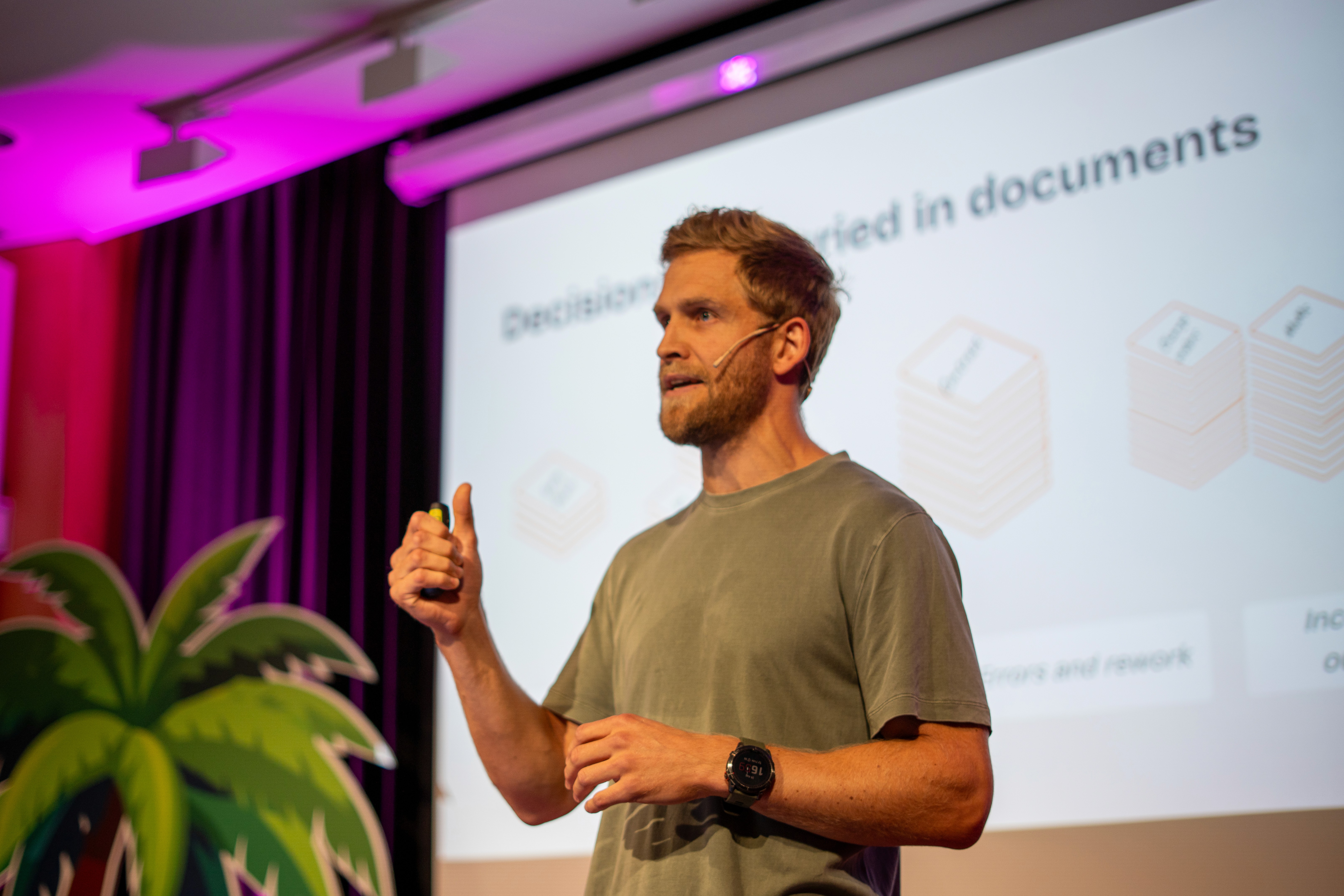
Herman B. Smith
CEO & Co-Founder
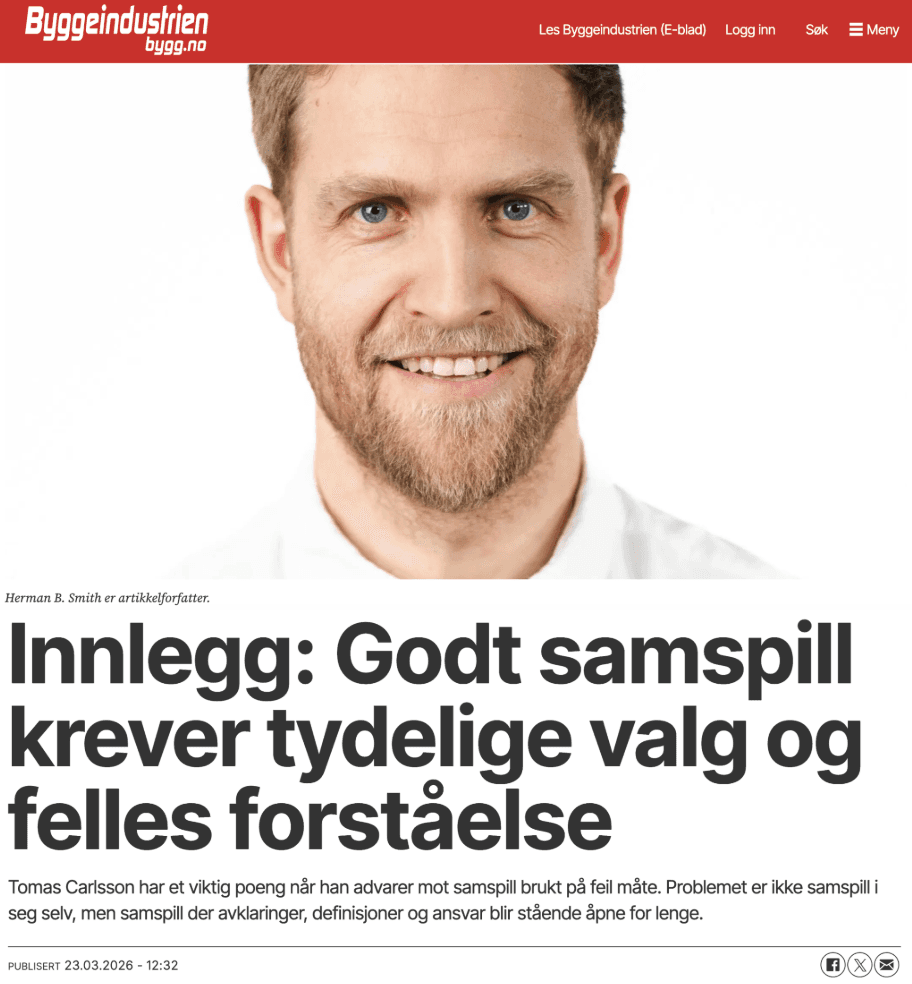
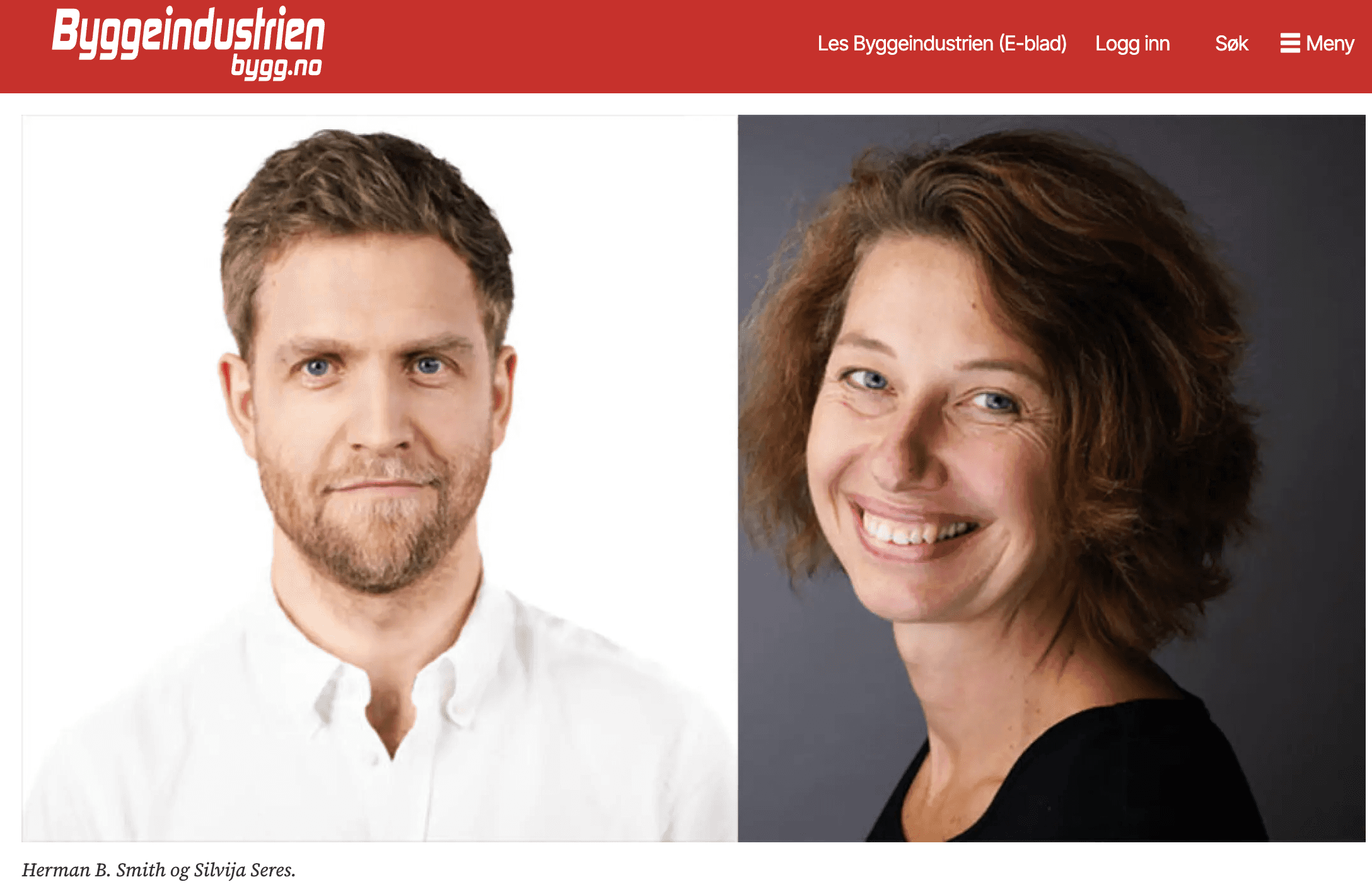
This is a translation from chronicle written by CEO and co-founder Herman Smith, originally published by bygg.no.
Tomas Carlsson in NCC, makes an important point when he warns against partnering used in the wrong way. The problem is not partnering in itself, but partnering processes in which clarifications, definitions, and responsibilities remain open for too long.
As EBA points out in its guidance on partnering contracts, responsibilities for deliverables must be clearly defined even when the parties work together on solutions. This is exactly where it is easy to go wrong. Projects move forward with too much uncertainty about what is actually to be built, where interfaces lie, which risks have been identified, and who is responsible for what.
That is why the partnering phase must be used for more than good intentions and broad collaborative processes. It must result in clear work packages, allocated risk, fewer contradictory formulations, and decisions that are anchored in management.
At the same time, it is not enough to make good clarifications early if the information later becomes fragmented, interpreted differently, or weakened by errors. Information, definitions, and decisions must remain valid as the project moves forward. Transparency of information, equal access for all parties, and systematic quality assurance are therefore essential.
In its work on the MMI guidance, RIF has highlighted the need for a common language, shared terminology, and a clear understanding of deliverables. This is not only a question of modelling. It is a prerequisite for reducing misunderstandings, removing errors, and ensuring that the parties are in fact working from the same understanding of the project.
This is also where AI, used properly, can help address several of the challenges. When clarifications and decisions from the partnering phase are described and documented well, they need to be tested against the rest of the project documentation as it develops. As contracts, specifications, models, minutes, and other governing documents evolve, AI can help detect contradictions, ambiguities, and inconsistencies at an early stage. That strengthens quality assurance and helps preserve a shared understanding throughout the project.
Good partnering is therefore not about postponing clarification. It is about using the early phase to make the right clarifications, so that delivery becomes safer, more efficient, and less conflict-driven.
The industry needs more early involvement. But it also needs working methods and tools that ensure clarifications, risks, and decisions are gathered, quality-assured, and understood in the same way by everyone involved.
For Volve specifically, this is where we believe we can add real value. Not by replacing the partnering process, but by helping project teams keep decisions, definitions, and risk allocations aligned across the full body of project documentation as the project moves from early collaboration into execution.
Herman B. Smith
CEO & Co-Founder
Share
See how Volve turns document complexity into decisions
Explore how construction teams surface risk, trace requirements, and carry a clearer baseline into delivery.