How Tendering in Construction Changes in a World of AI
How AI changes tendering in construction: winning shifts from catching mistakes to better risk pricing, evidence and a bid-ready baseline.
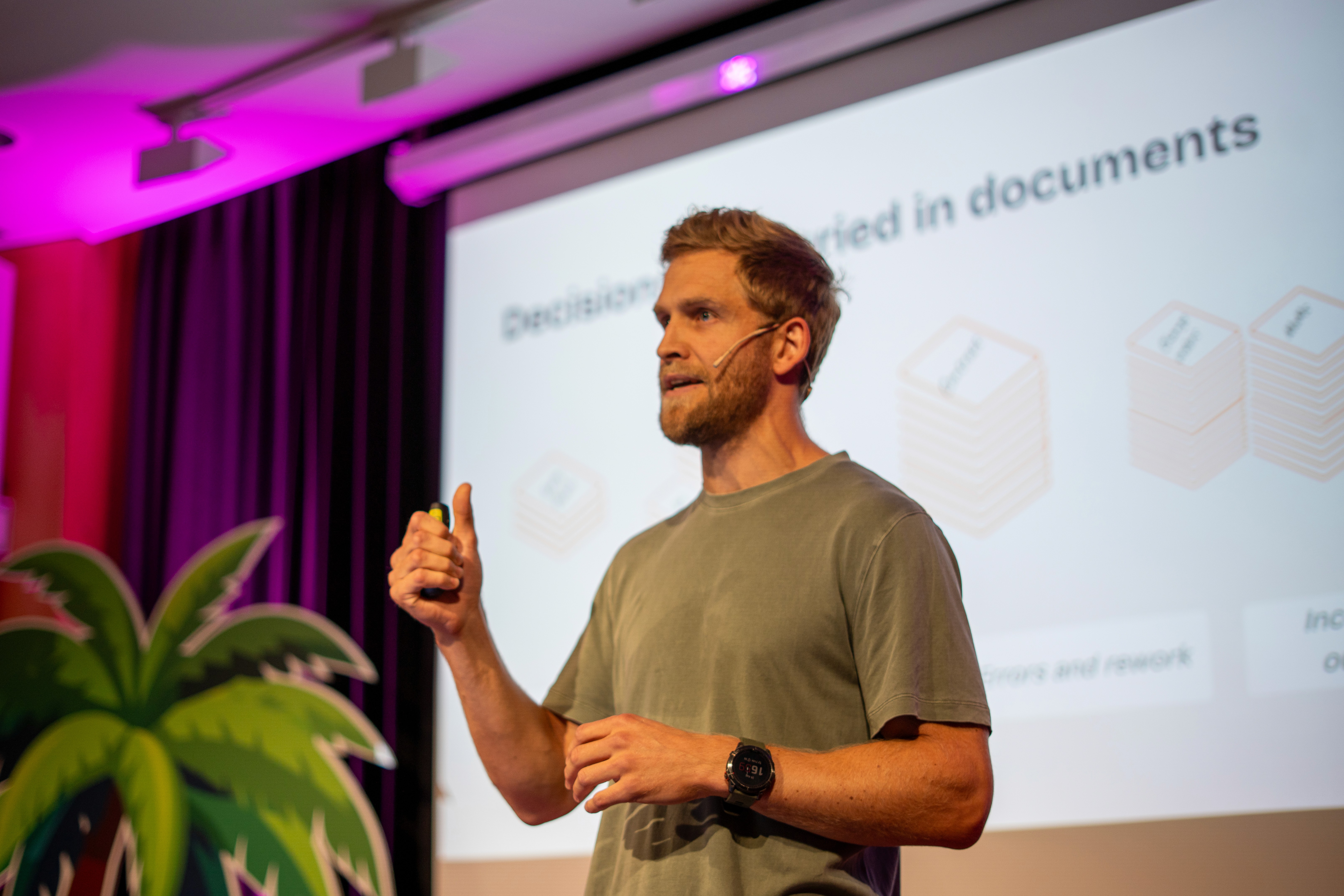
Herman B. Smith
CEO & Co-Founder
A question we hear more often now is simple:
If everyone uses AI, does anyone still have an advantage?
Yes, because if “everyone uses AI”, the market does not go back to square one. The big change is not that bids write themselves. The big change is that less time goes into searching for errors and missed requirements, and more time goes into judgement, strategy, pricing, and delivery planning.
This is how tendering competition changes.
1) Bid quality and proof become the baseline
AI makes it easier to produce submissions that are clean, complete, and verifiable:
coverage checks against criteria
fewer missing answers
fewer internal contradictions
tighter wording that matches the client’s ask
answers that clearly map to criteria
clear links between method, programme, and constraints
explicit assumptions and interface responsibilities
references that match the actual project risk profile
As more teams do this, basic bid quality stops being the thing that separates bidders. It becomes the expected level.
So differentiation shifts upward. Toward delivery credibility:
a delivery model that fits the constraints
a risk posture that holds up in execution
a plan that looks realistic, not optimistic
AI helps by surfacing constraints and connecting them to the right parts of the bid. But the advantage comes from how teams use that time. Do they improve the plan, or just polish the text.
2) Risk pricing accuracy matters more
If most bids are compliant and “clean”, the next frontier is risk.
Two bidders can both answer every requirement and still price the job very differently. The winner will increasingly be the one who:
finds the real risk drivers early
builds mitigations into the method and plan
prices remaining uncertainty at the right level
qualifies and clarifies precisely, not as a blanket defence
This is where AI can add real value. It helps teams identify risk drivers and obligations earlier, and the advantage lies in what they do with that insight: what to accept, what to challenge, what to price, and what to walk away from.
3) Negotiation and tender iterations get faster
In negotiated, staged, and dialogue-style processes, AI makes it easier to handle change:
track what changed across addenda and draft contracts
keep one coherent baseline
respond faster with defensible positions
That changes the pace of tendering. Teams can run more cycles without losing control.
AI will influence what gets negotiated too, because deviations, conflicts, and time bars are easier to spot early. But commercial strength still matters. The advantage is not “AI negotiates”. The advantage is being able to negotiate with better facts, faster.
4) What sets teams apart shifts to process and organisational memory
Once most bidders have access to similar AI tools, “we use AI” won’t be special.
What sets teams apart becomes what you bring into the process:
your governed document set and how you structure it
your reusable work packages, checklists, and registers
your delivery playbooks for common project challenges
your learning loop: debriefs linked to the actual bid text and outcomes
AI makes this usable at speed. The contractors who pull ahead are the ones who turn tendering into a controlled commitment process, and improve it every time.
5) Buyers will adapt, and bid noise may rise
As bid production gets cheaper, some markets may see more bids and more noise. Buyers will respond with:
higher demands for evidence and relevance
more structured templates and scoring
more scrutiny of assumptions and interfaces
more selective procurement routes and prequalification
So the game moves further toward credibility and track record, not volume.
Where this leaves contractors
AI compresses the advantage of basic bid production. It increases the advantage of decision quality and delivery credibility.
The teams that win will be the ones who:
run coverage checks as standard
turn early document insight into better risk and pricing decisions
prove claims with evidence, not generic wording
carry a coherent baseline from tendering into execution
learn systematically from outcomes and debriefs
Where Volve fits
Volve is not about writing bids faster. It’s about running a controlled commitment process.
That means:
Control: coverage, scope boundaries, risk drivers, obligations
Continuity: a baseline that carries into execution
Proof: traceability to source text and defensible outputs
Learning: feedback linked back to what was written and what happened
That’s where tendering competition is heading. Less time hunting for mistakes. More time making better calls.
Herman B. Smith
CEO & Co-Founder
Share
See how Volve turns document complexity into decisions
Explore how construction teams surface risk, trace requirements, and carry a clearer baseline into delivery.