Volve takes AI in construction a significant step into expert work
Volve's new AI orchestration layer runs expert checks across the whole tender, quantities against drawings and IFC models, and verifies every resu
Herman B. Smith
CEO & Co-Founder

This week, Volve released the largest upgrade to its platform since launch.
Give it a complex task, checking that quantities in the specification match the drawings and even from BIM, that scope matches what has been estimated, that an addendum hasn't shifted something unnoticed, and it runs the work across the whole tender, verifies its own result, and shows how it got there.
Expertise and project know-how have never been the constraint in tendering. The constraint is the growing complexity and risk exposure of the projects themselves, including the information and process to realise them. Software has made it easier to read and search documents. It has done far less to help teams carry out the actual work.
At the core of the upgrade is an AI orchestration layer that understands what a task requires, carries out the necessary steps across the full tender or contract, and checks the result before returning it. The user gets both the answer and the verification behind it.
It works because of where it sits. Volve is built into the tender workflow, not alongside it, on a structure that models how requirements, scope and risk connect in a tender, and it has been applied in more than 2,500 construction projects so far. That is the difference between an assistant that summarises and a platform that does the work between the documents.
The first use cases cover quantities, estimation, drawings and BIM models. A simple example is checking quantities across documents. A quantity may be one thing in the specification, another in the drawing and a third in the BIM model. Today, finding those differences often relies on someone manually checking all three.
Volve runs that check across the tender, identifies where the quantities differ, and shows the source behind each result. Teams can catch the issue while the estimate is still being developed, rather than after the contract is signed and work has started.
We have always built toward AI that assists the expert tasks in tendering. What has changed is the architecture, and with it the speed. With orchestration on top of the project graph structure we already had, we are seeing completely new possibilities, sooner than we had planned for. Quantities against drawings and technical specifications is one first case. It will not be the last.
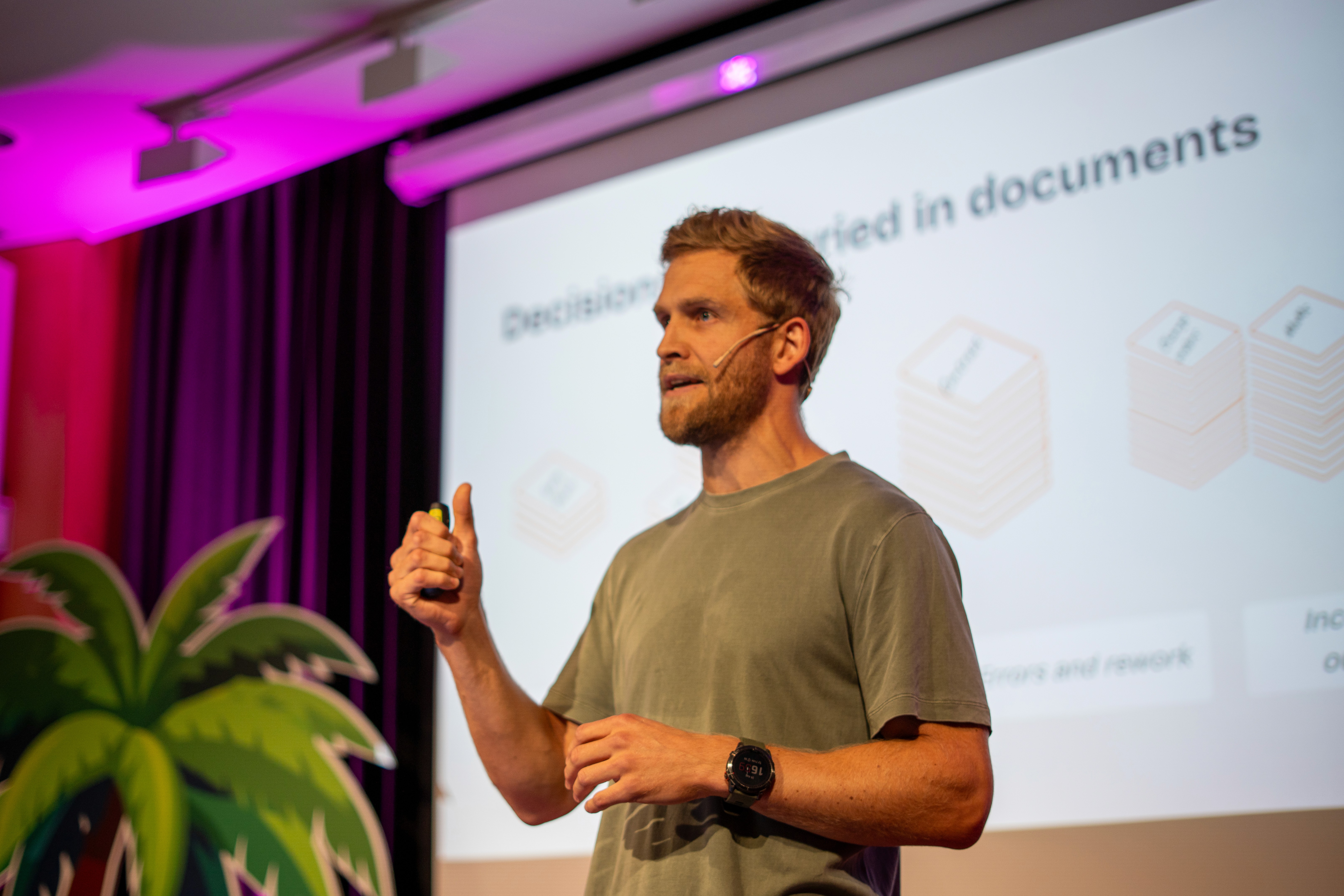
Herman B. Smith, co-founder and CEO, Volve.
Herman B. Smith
CEO & Co-Founder
Share
See how Volve turns document complexity into decisions
Explore how construction teams surface risk, trace requirements, and carry a clearer baseline into delivery.


