Turning 1,000 tender files into decisions: Volve on AEC Tech Journeys
Volve’s co-founder and CTO Abyl Ikhsanov joins AEC Tech Journeys to talk about building AI that holds up in real construction tender work.

Key takeaways
Building AI for construction means building for the industry’s own documents, standards and ways of working, not adapting a general tool.
The expensive problems in a tender sit in the relationships between documents, not inside any one of them.
Every answer has to trace back to the documents before a tendering team can trust it on a live bid.
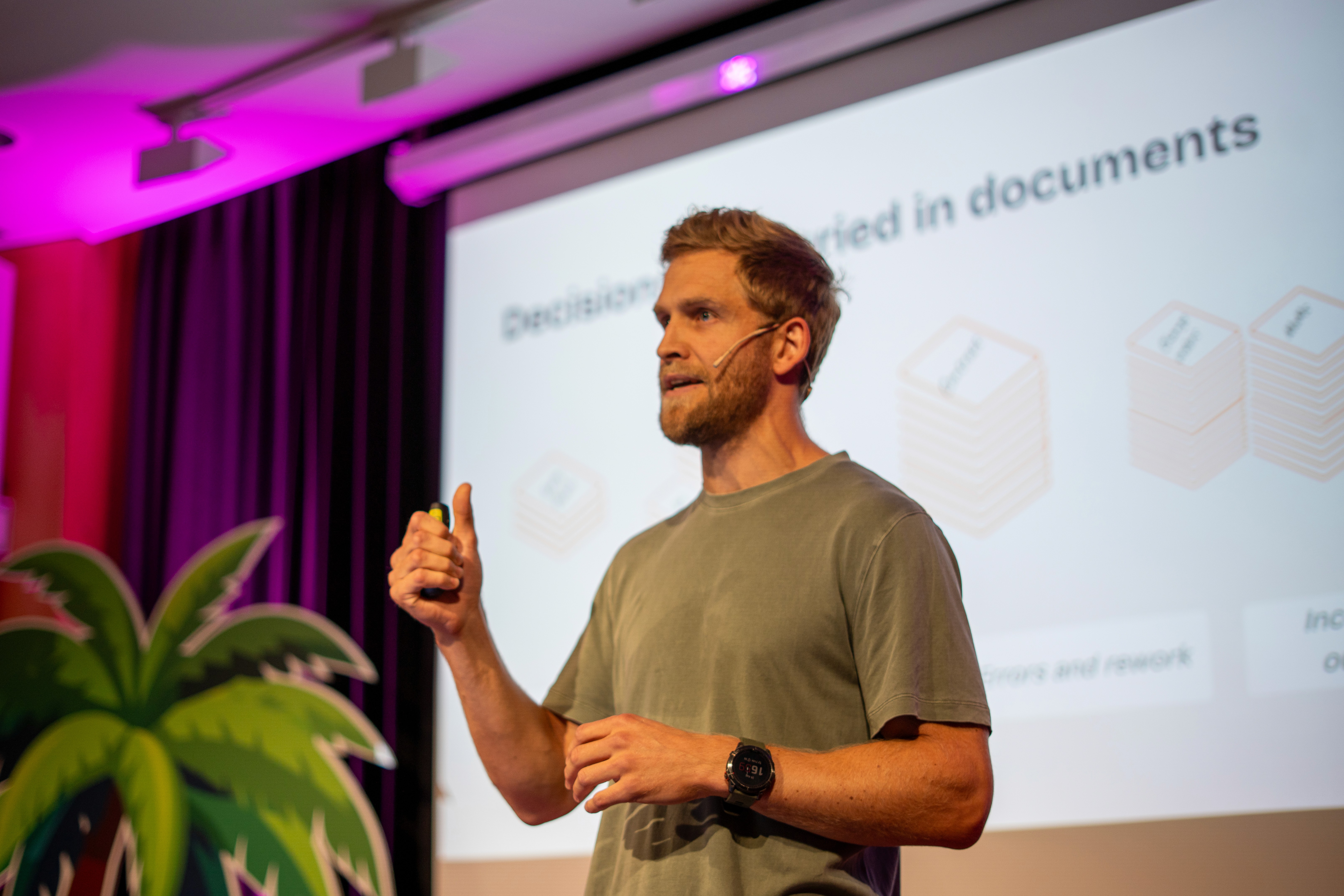
Volve’s co-founder and CTO, Abyl Ikhsanov, joined Mayur Mistry on the AEC Tech Journeys podcast to talk about what it takes to build AI for construction that holds up in real tender work.
A tender can arrive as a thousand files. Contract, specifications per discipline, drawings, bills of quantities and the addenda that revise them. The episode is about how you turn that into something a tendering team can decide from, and why that is harder than it looks.
What the conversation covers
Where the idea came from. How the founding team met, and the research into where construction documentation actually breaks down before Volve wrote a line of code.
Why structure comes first. Abyl walks through the architecture choices behind Volve, including why a knowledge graph matters when the expensive problems sit in the relationships between documents rather than inside any one of them.
From scope items to work packages. How the product takes a tender apart and maps it onto the packages and work types a contractor actually prices and procures.
Evaluation and grounding. The hardest technical work is not getting a model to answer. It is making sure every answer is grounded in the documents and can be checked, which is what decides whether a team can trust it on a live bid.
Building with customers. How product decisions are made in iteration with the contractors using Volve, and what that has taught the team about building industry-specific AI.
What comes next. Expansion into new markets and project types.
Reach the full episode on Youtube, Spotify, or Apple Podcasts.
See how Volve turns document complexity into decisions
Explore how construction teams surface risk, trace requirements, and carry a clearer baseline into delivery.